U.S. Fractional Currency During the Civil War: Part 2

The Great American Roadshow • September 25, 2026

A Closer Look at America's Fractional Currency

In Part 1, we explored how the Civil War coin shortage led to the creation of fractional currency, as Americans hoarded metal coins, merchants struggled to make change, and postage stamps became a temporary substitute for everyday transactions.


But creating fractional currency was only the beginning. Between 1862 and 1876, the United States issued five distinct series with changing denominations, portraits, designs, and security features. In Part 2, we're taking a closer look at those notes and the details that make surviving examples so interesting to collectors today.

From Postage Currency to U.S. Fractional Currency

The first issue, produced from August 21, 1862, through May 27, 1863, was technically known as Postage Currency. It was issued in denominations of 5, 10, 25, and 50 cents and used designs based on postage stamps, helping Americans recognize and accept the unusual new form of money.


Congress formally authorized Fractional Currency in 1863. Over the years that followed, the Treasury continued changing the notes as the nation's needs and its approach to producing secure paper currency evolved

The Five Issues of Fractional Currency

Collectors generally divide the series into five issues. Although several denominations appeared repeatedly, some were limited to particular issues.


  • First Issue, 1862 to 1863: 5¢, 10¢, 25¢ and 50¢ (about $20.2 million produced)
  • Second Issue, 1863 to 1867: 5¢, 10¢, 25¢ and 50¢ (about $23.2 million produced)
  • Third Issue, 1864 to 1869: 3¢, 5¢, 10¢, 25¢ and 50¢ (about $86.1 million produced)
  • Fourth Issue, 1869 to 1875: 10¢, 15¢, 25¢ and 50¢ (about $176.6 million produced)
  • Fifth Issue, 1874 to 1876: 10¢, 25¢ and 50¢ (about $62.7 million produced)


Altogether, the five issues ranged from just 3 cents to 50 cents. According to the Bureau of Engraving and Printing, roughly $369 million in fractional currency was produced during the program, with the Fourth Issue accounting for nearly half of the total.

The People and Designs Behind the Notes

Fractional currency provides a miniature gallery of 19th-century American figures. Different issues featured government officials and other recognizable portraits, while increasingly intricate engraving helped give the notes the appearance of established federal currency.


One particularly unusual story involves Spencer M. Clark, who headed what eventually became the Bureau of Engraving and Printing.  Clark's portrait appeared on a five-cent note in the third issue, causing controversy. In 1866, Congress prohibited the placement of a living person's portrait or likeness on U.S. currency notes, bonds, and securities.


Later issues continued to feature historical Treasury officials. For example, fifth issue notes include William M. Meredith on the 10-cent note, Robert J. Walker on the 25-cent note, and William H. Crawford on the 50-cent note.

What Should You Look for on an Old Fractional Note?

If you inherit or discover a small piece of old U.S. paper currency, don't assume its denomination tells the whole story. Small differences can help identify exactly what you have.


Start by examining:

  1. The denomination: Look for values such as 3¢, 5¢, 10¢, 15¢, 25¢, or 50¢.
  2. The portrait and design: These can help narrow down the issue.
  3. Printed dates or legislation: Wording on the note can provide historical clues.
  4. Front and reverse details: Borders, seals, inscriptions, and designs may differ between issues.
  5. Overall condition: Tears, folds, staining, missing pieces, and other damage can affect collector interest.


Avoid writing on, taping, trimming, laminating, or attempting to clean an old note before you know what it is.

What Makes Some Fractional Currency More Collectible?

Age alone does not determine value. Collectors may consider the specific issue, denomination, variety, condition, design, scarcity, and other characteristics when evaluating a piece.


An unusual variety or well-preserved example can attract very different interest from a heavily damaged, more readily available note. That's why identifying the exact note is more useful than simply knowing that it is “Civil War money.”


If you've inherited old currency alongside coins or other valuables, The Great American Roadshow evaluates paper currency, coins, and other collectibles at its traveling buying events. The company's current What We Buy page specifically includes paper currency among the categories it purchases.

How to Protect Old Fractional Currency

Historical paper can be surprisingly fragile. A few simple precautions can help avoid unnecessary damage:


  • Handle notes as little as possible and with clean, dry hands.
  • Store them flat rather than repeatedly folding them.
  • Keep them away from moisture, direct sunlight, and extreme temperatures.
  • Don't use household tape, glue, or laminating materials.
  • Keep any information about where the note came from with the collection.


Most importantly, resist the temptation to “improve” an old note before having it evaluated. Original condition can be important to collectors.

The End of America's Fractional Currency Experiment

By the mid-1870s, fractional currency was nearing the end of its unusual run. The fifth and final issue was produced from 1874 through February 15, 1876. As coins returned to everyday circulation, the emergency paper denominations were no longer necessary.


What began as a Civil War solution lasted roughly 14 years and helped establish the federal government's growing role in producing American paper money. The Bureau of Engraving and Printing itself traces its early development to this era and was producing fractional currency within its first years of operation.

Have U.S. Fractional Currency in Your Collection?

Old fractional notes may look small, but they represent a remarkable chapter of American history. If you've inherited historic paper currency or have notes tucked away in an old collection, The Great American Roadshow can help you take a closer look.


Bring your currency, coins, and other collectibles to an upcoming Great American Roadshow event for an evaluation and offer, or  📞 call 1 (800) 456-3234 to learn more.

Frequently Asked Questions

  • What denominations of U.S. fractional currency were issued?

    Across the five issues, fractional currency appeared in denominations ranging from 3 cents through 50 cents. Not every denomination was produced during every issue.

  • How many issues of fractional currency were there?

    There were five issues produced between 1862 and 1876. The first is commonly called Postage Currency, while the later issues developed into what collectors recognize as Fractional Currency.

  • Is all fractional currency from the Civil War?

    The system began during the Civil War, but production continued well after the war ended. The fifth issue continued until 1876.


  • How much is U.S. fractional currency worth today?

    There isn't one standard value. The exact issue, denomination, variety, condition, scarcity, and collector demand can all affect what a particular note may be worth.


  • Should I clean or repair old fractional currency?

    Generally, avoid attempting to clean, tape, laminate, or otherwise alter an old note before having it identified. If you're unsure what you have, preserve it as you found it and seek an evaluation first.

Recent Posts

A collection of antique pocket watches on a red velvet cloth
By The Great American Roadshow • October 3, 2026
Discover how antique pocket watches shaped American railroad timekeeping and what collectors look for in historic railroad watches.
Item at an estate sale worth money
By The Great American Roadshow • July 28, 2026
Discover commonly overlooked valuables during estate cleanouts, from coins and jewelry to antiques and collectibles that may be worth a closer look.
coin collected
By The Great American Roadshow • June 19, 2026
Inherit a coin collection? Learn the first steps to protect its value, avoid costly mistakes, identify rare coins, & decide to sell, appraise, or keep it.
gold and silver collection
By The Great American Roadshow • May 21, 2026
Sell your gold, silver, and collectibles today. Learn the real cost of waiting and how market changes can impact the value of your items.

Inspecting gold value over time
By The Great American Roadshow • May 4, 2026
Learn how gold buyers evaluate jewelry, coins, silver, and collectibles and discover what your items may be worth in today's market.
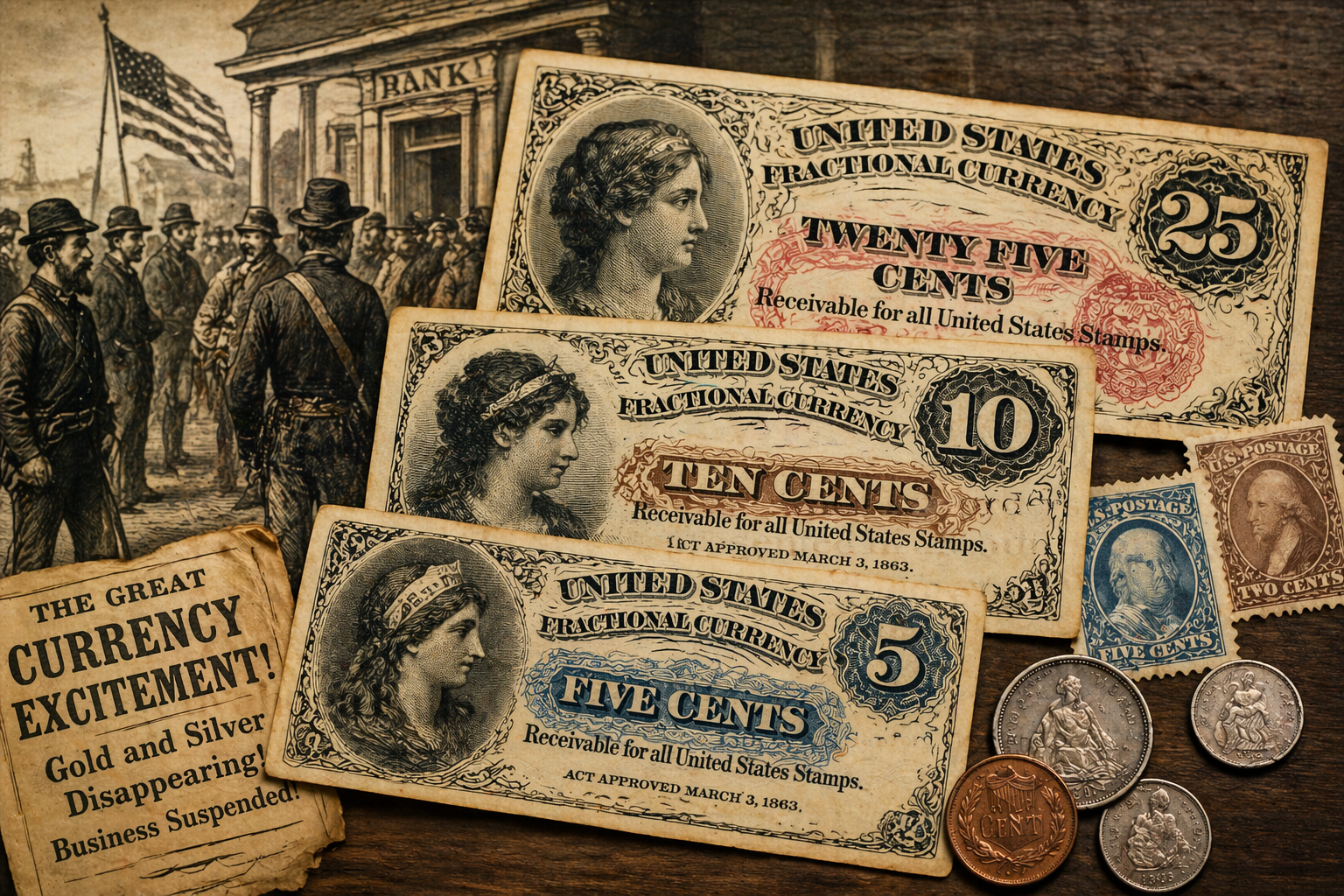
historical currency
By The Great American Roadshow • April 20, 2026
Fractional currency began during the Civil War to replace scarce coins. Learn how it shaped U.S. money and why this still matters today.
Inspections of items at an event
By The Great American Roadshow • March 5, 2026
Estate Sales vs. Roadshows: Understanding the Key Differences
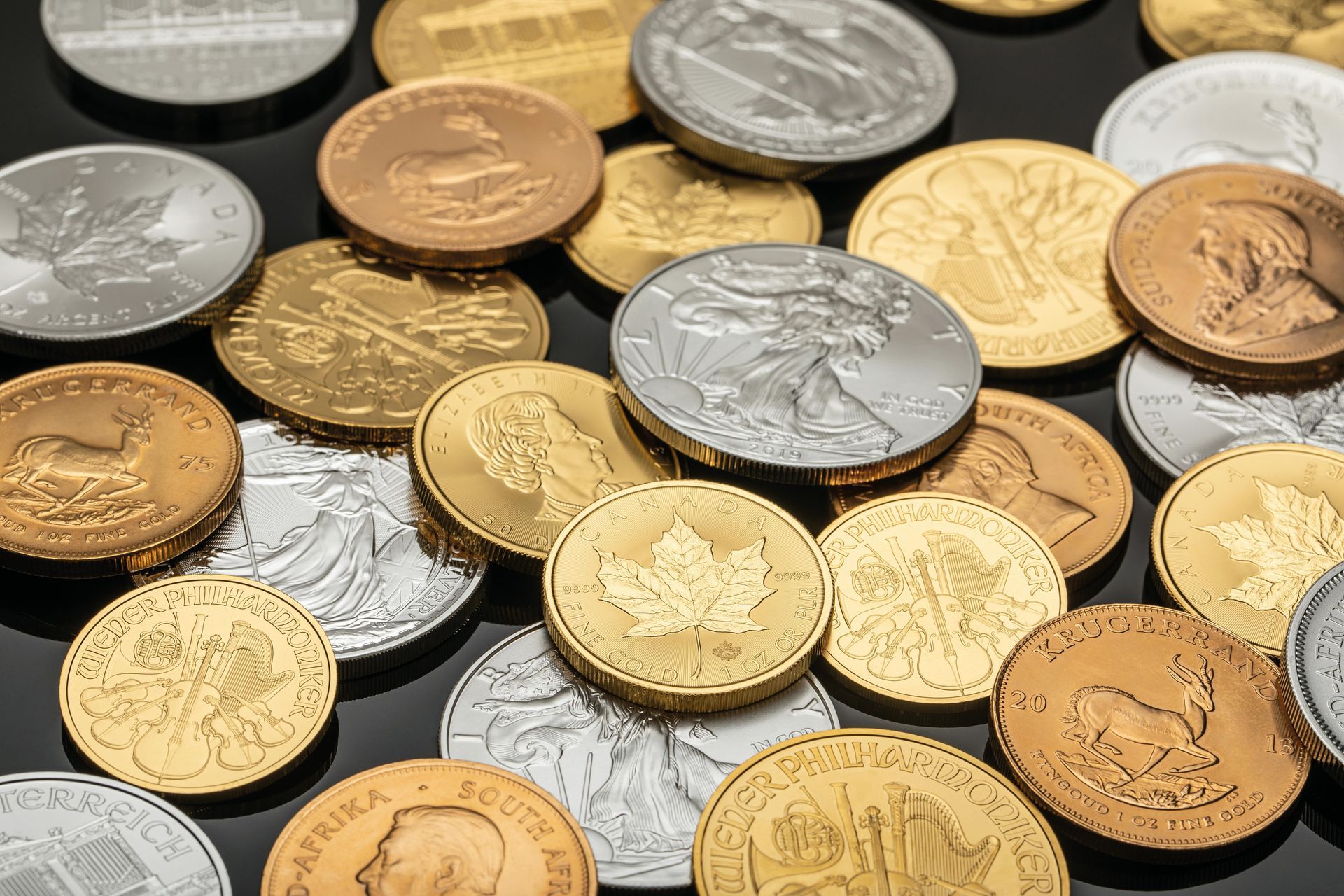
gold and silver coins
By The Great American Roadshow • February 18, 2026
Learn why U.S. coins once contained real silver and how to sell silver coins at The Great American Roadshow buying events near you.
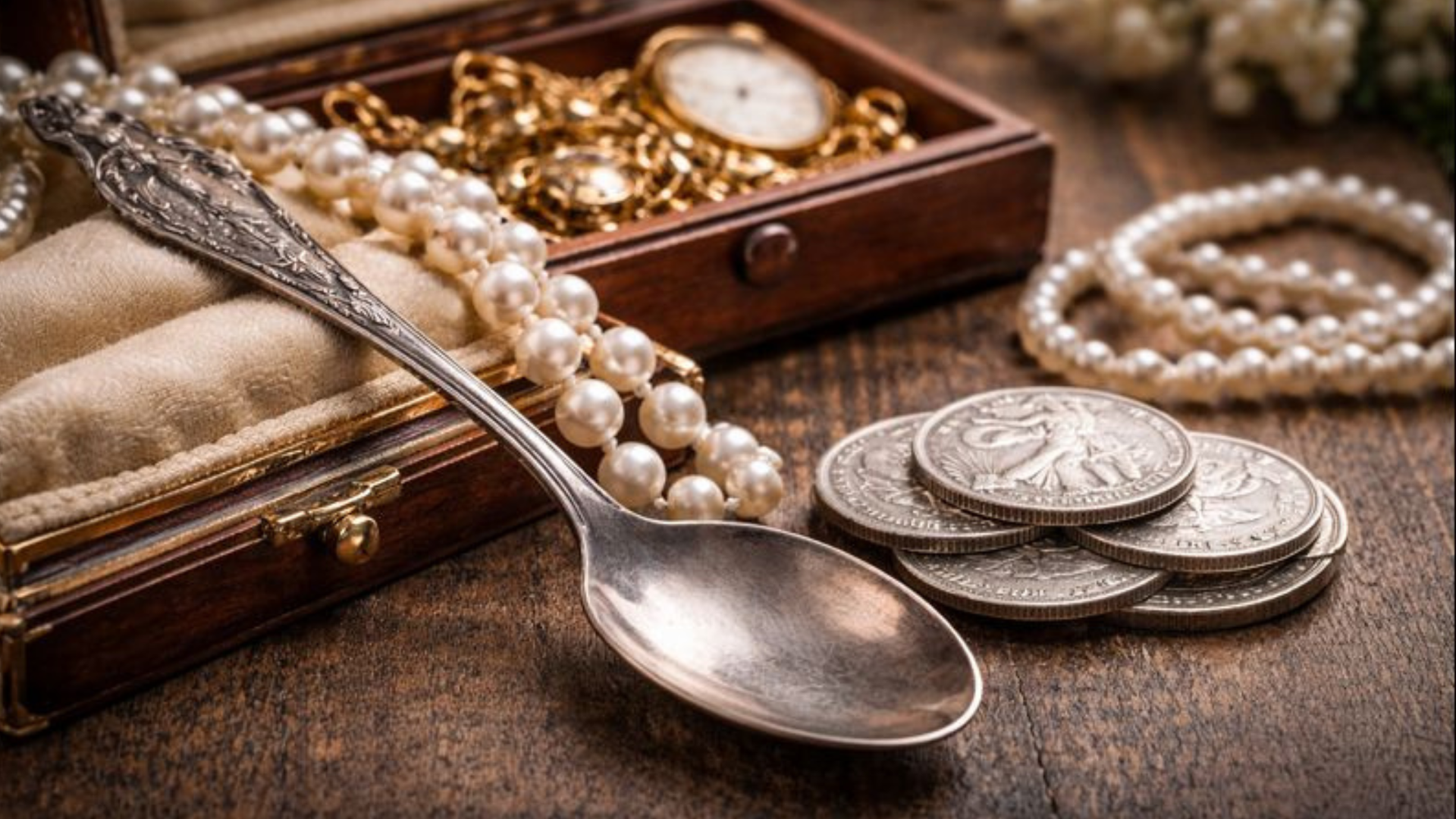
silver spoon and other finery
By The Great American Roadshow • January 15, 2026
Learn about the true origin of the saying “born with a silver spoon,” from social class symbols to birth traditions and why silver still holds value today.
Suitcase overflowing with gold, jewels;
By The Great American Roadshow • January 8, 2026
Follow The Great American Roadshow as we launch our biggest year yet with nationwide events, expert appraisals, and rare discoveries.