How Gold Buyers Determine What Your Items Are Worth

May 4, 2026

Share this article

The Key Factors That Influence the Value of Gold, Silver, and Collectibles

If you're thinking about selling gold, silver, coins, jewelry, or collectibles, one of the first questions that probably comes to mind is simple:


What are my items actually worth?

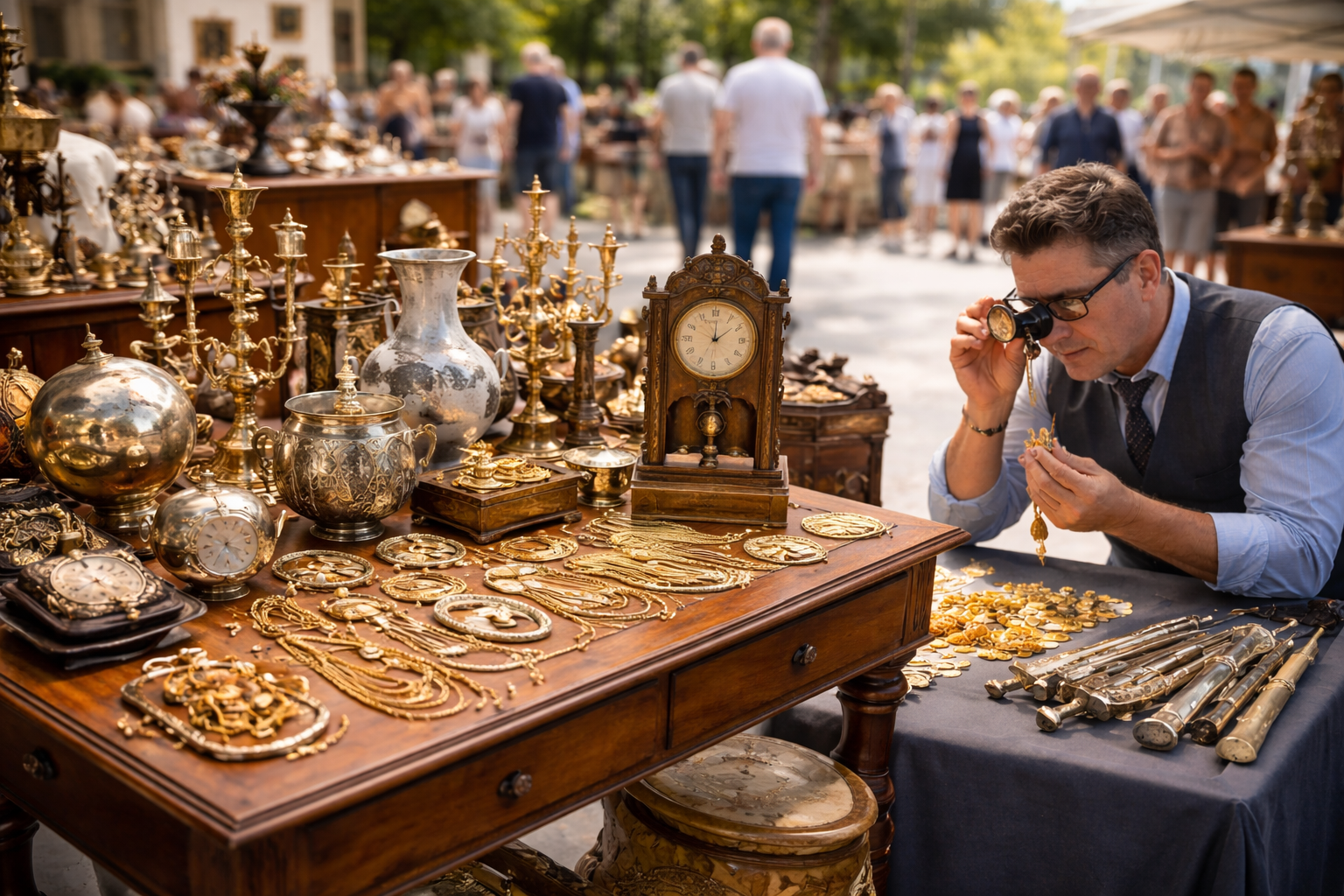
At events hosted by Great American Roadshow, people often bring in items they have owned for years, inherited from family members, or tucked away in drawers and safes. Many are surprised to learn that something they considered ordinary may have significant value in today's market.


The good news is that determining value is not a guessing game. Professional buyers use a combination of market data, precious metal values, rarity, condition, and collector demand to evaluate items and determine what they may be worth.


Understanding how that process works can help you feel more confident when it comes time to sell.

What Factors Determine an Item's Value?

Many people believe that age is the biggest factor in determining value. While age can certainly play a role, it is only one piece of the puzzle.


Professional buyers look at several factors when evaluating an item, including:

  • Precious metal content
  • Weight
  • Purity
  • Condition
  • Rarity
  • Historical significance
  • Current market demand
  • Overall collectibility


Because of these factors, two items that appear very similar can have dramatically different values.


For example, one gold ring may be worth considerably more than another because it contains a higher percentage of gold. Likewise, a coin's value may be influenced more by rarity and collector demand than by its precious metal content.

How Gold Buyers Evaluate Gold Jewelry

Gold jewelry is one of the most common categories brought to Great American Roadshow events.


When evaluating gold items, buyers typically focus on three key factors.


Gold Purity

Most gold jewelry contains markings such as:

  • 10K
  • 14K
  • 18K
  • 22K
  • 24K


These markings indicate how much pure gold is contained within the item.


Generally speaking, the higher the purity, the greater the potential value.


Weight

After determining purity, the item is weighed using professional scales.


Heavier pieces containing more gold typically have a higher intrinsic value than lighter pieces with the same purity rating.


Current Gold Prices

Gold prices fluctuate daily based on economic conditions, global demand, and market activity.


Professional buyers use current market pricing when evaluating gold jewelry, which is why values can change over time.

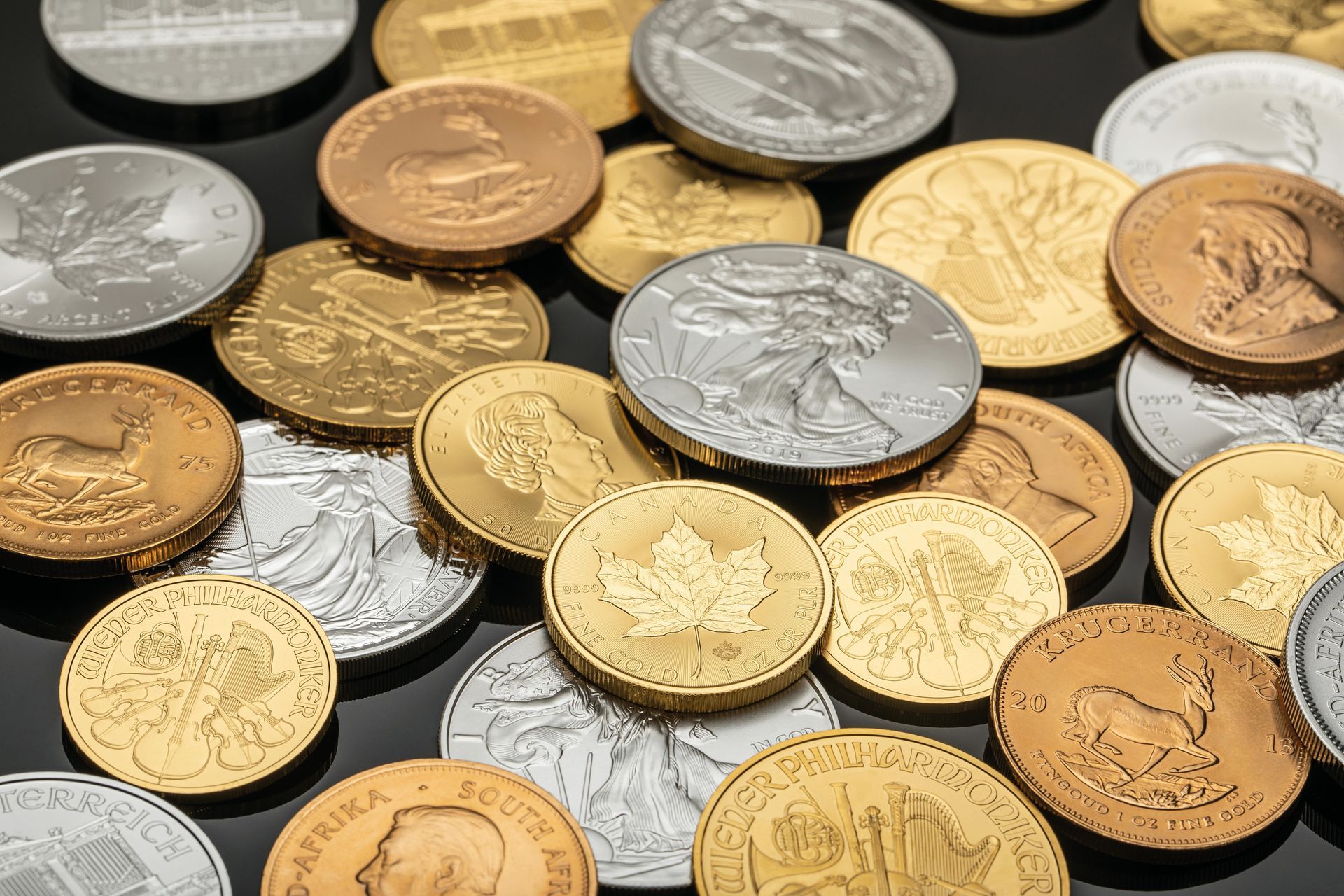
How Silver Items Are Valued

Silver items are evaluated using a similar process.


Buyers examine:

  • Silver purity
  • Weight
  • Current silver prices
  • Collector demand


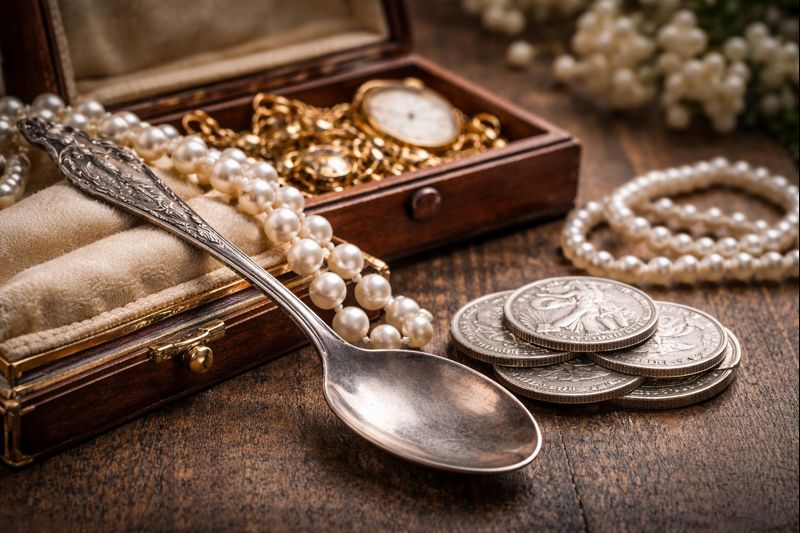
Sterling silver flatware, jewelry, antique serving pieces, and silver coins can all carry value. In some cases, an antique or collectible silver item may be worth considerably more than the silver it contains.


This is why professional evaluations are so important. The true value of an item is not always obvious at first glance.

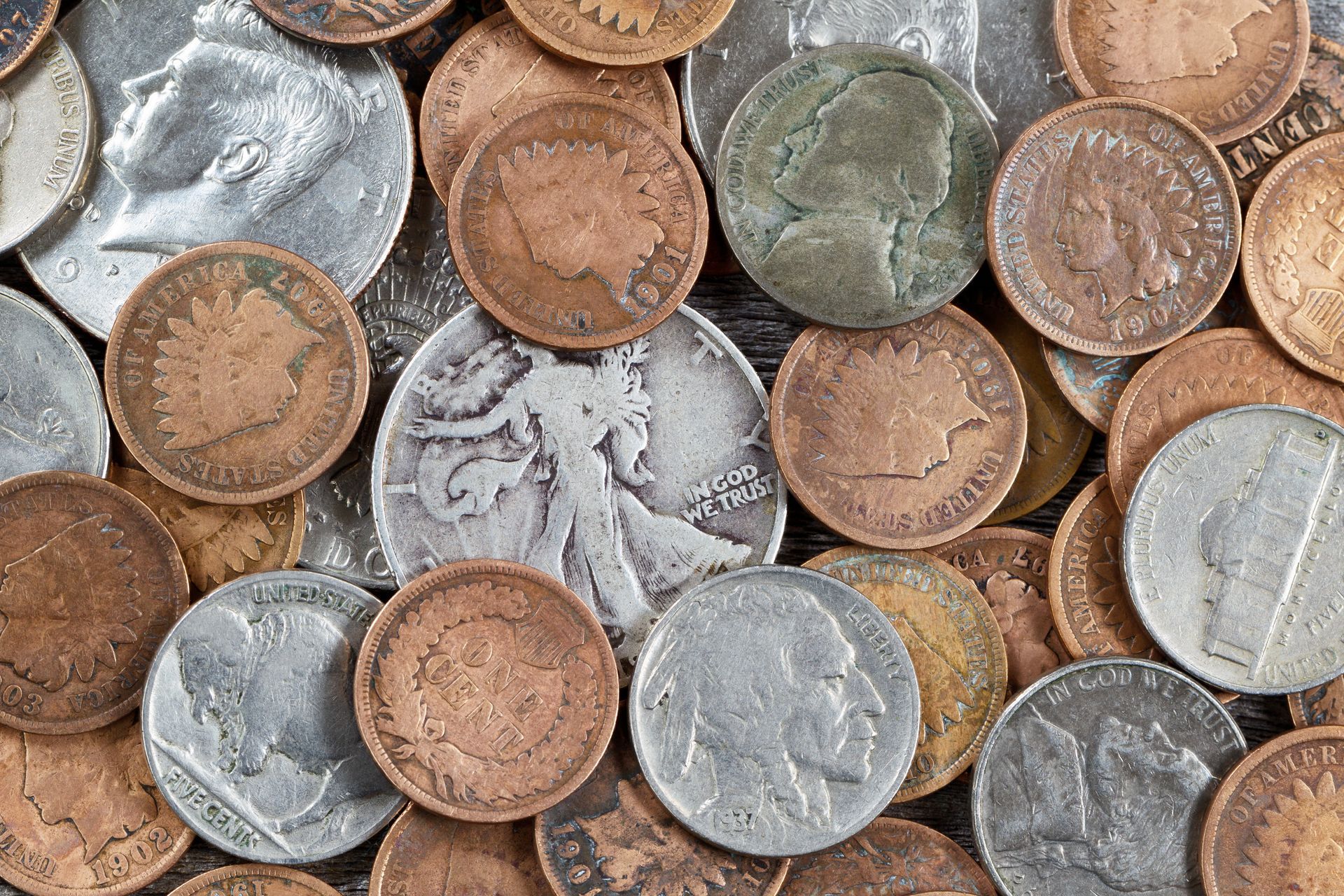
How Coin Collections Are Appraised

Coins are one of the most misunderstood collectibles.


Some people assume every old coin is valuable. Others overlook coins that may actually be worth hundreds or even thousands of dollars.


When evaluating coins, experts consider several factors.


Rarity

How many examples still exist today?


Coins that were produced in limited quantities or have become difficult to find often command stronger prices.


Condition

Condition plays a major role in a coin's value.


Even small differences in wear, scratches, or overall appearance can significantly affect collector demand.


Mint Marks

Certain mint locations produced fewer coins than others.


A small mint mark can make a substantial difference in value.


Collector Demand

Ultimately, the market determines what collectors are willing to pay.


When demand increases for specific coins or collections, values often rise as well.

Collectibles Can Hold Hidden Value

Not every valuable item contains gold or silver.


Many collectibles derive their value from scarcity, historical significance, condition, or collector demand.


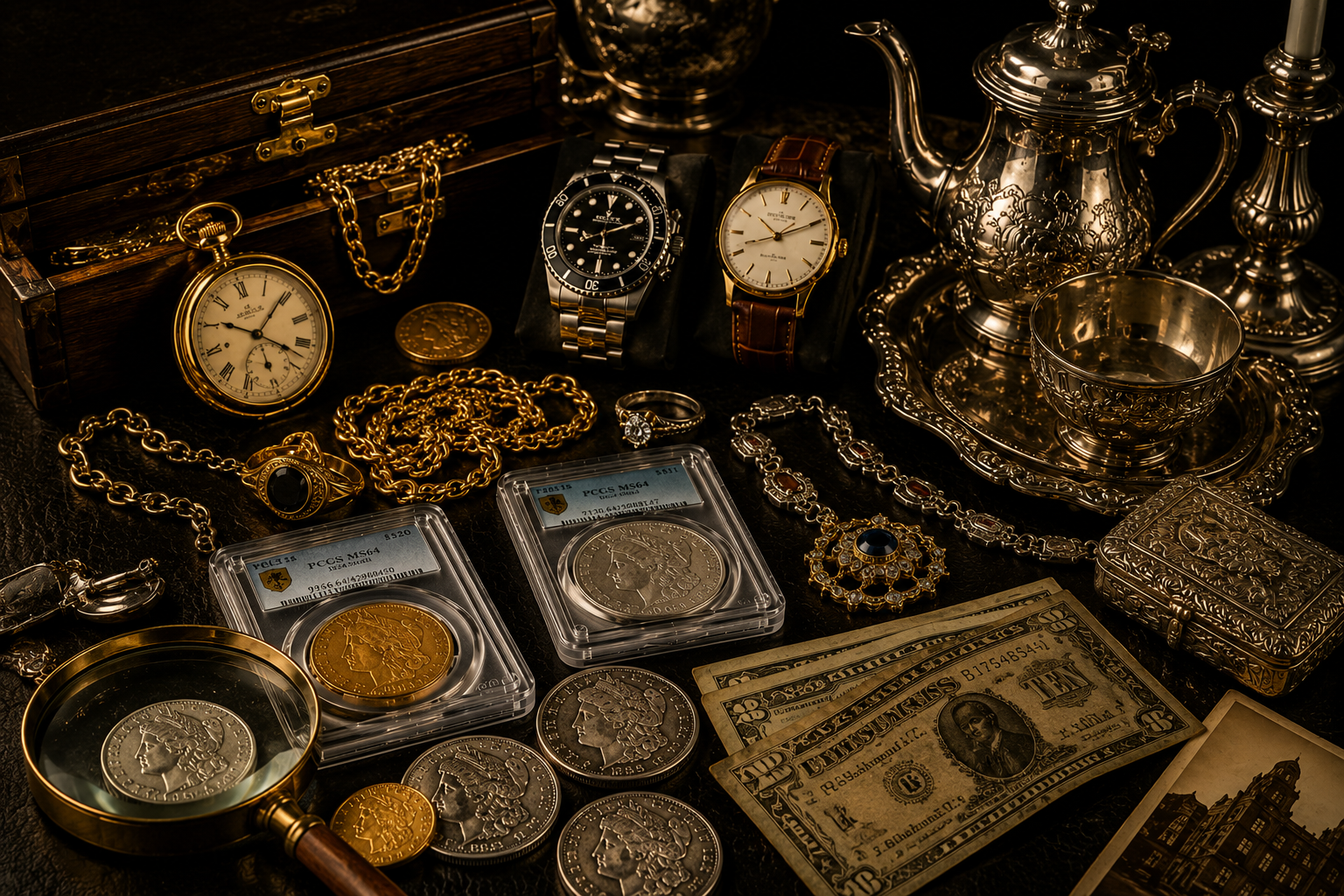
Items commonly evaluated at Great American Roadshow events include:

  • Vintage jewelry
  • Sports memorabilia
  • Military memorabilia
  • Antique watches
  • Historical artifacts
  • Currency collections
  • Estate jewelry
  • Advertising collectibles
  • Rare toys
  • Vintage collectibles


Many people are surprised to discover that items sitting untouched for years may have significant value in today's market.

Common Misconceptions About Selling Gold and Collectibles

"It's Broken, So It Must Be Worthless"

This is one of the most common misconceptions.


Gold and silver retain value even if a piece is broken, tangled, missing stones, or no longer wearable.


The precious metal itself still carries value.


"It's Not Old Enough To Be Valuable"

Age alone does not determine worth.


Many modern collectibles can be worth more than items that are much older.


Demand and rarity often matter more than age.


"I Should Wait Until Prices Go Higher"

Many people delay selling because they hope prices will continue rising.


While markets can certainly increase, they can also move in the opposite direction.


Experienced sellers often choose to evaluate their items during periods of strong demand rather than waiting indefinitely for a potentially better opportunity.

Why Professional Evaluations Matter

Online searches can provide a general idea of value, but they rarely tell the complete story.


Professional buyers have access to current market information and years of experience evaluating gold, silver, coins, jewelry, and collectibles.


A hands on evaluation allows experts to identify details that may not be visible in photographs or online listings.


Items that appear ordinary may contain characteristics that significantly increase their value.


That is why many people choose to have their items evaluated before making any decisions.

Ready To Discover What Your Items Are Worth?

If you have gold, silver, coins, jewelry, or collectibles and are curious about their value, now is the perfect time to have them professionally evaluated.


Great American Roadshow hosts buying events across the country where experienced buyers provide honest assessments and competitive offers based on current market conditions.


Whether you have a single item or an entire collection, understanding its value is the first step.


Call Great American Roadshow today at (800) 456-3234 to learn about upcoming events and find out what your items may be worth.

Share this article

Recent Posts

By The Great American Roadshow July 28, 2026
Why Estate Cleanouts Deserve a Second Look
inherited coin collection
By The Great American Roadshow June 19, 2026
Inherited a coin collection? Learn the first steps to protect its value, avoid costly mistakes, and determine what your coins may be worth.
April 20, 2026
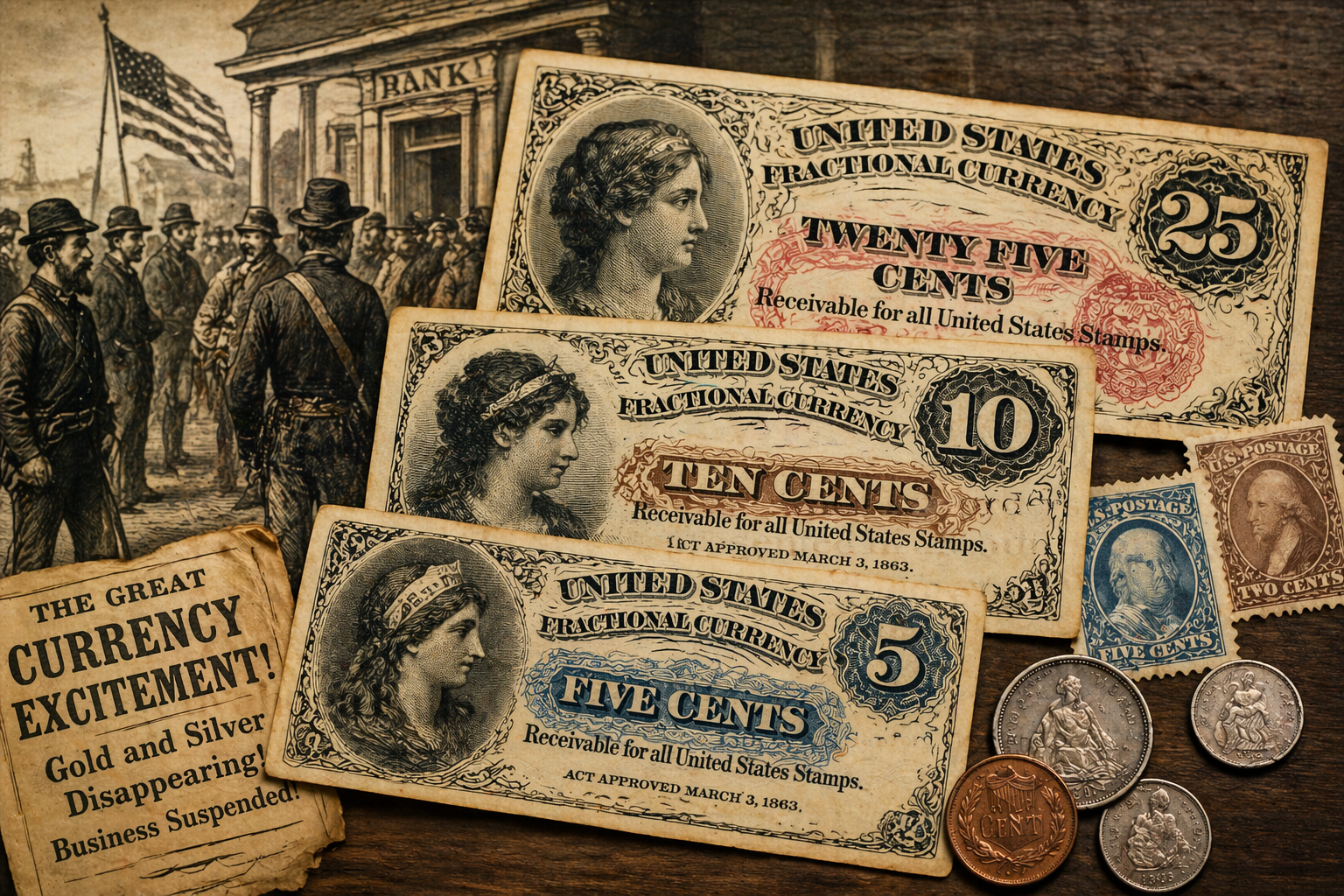
Fractional currency began during the Civil War to replace scarce coins. Learn how it shaped U.S. money and why this still matters today.
gold coin
March 21, 2026
Sell your gold, silver, and collectibles today. Learn the real cost of waiting and how market changes can impact the value of your items.
Inspections of items at an event
By The Great American Roadshow March 5, 2026
Estate Sales vs. Roadshows: Find out which option pays more for gold, silver, coins, and antiques before you sell. Call the Great American Roadshow today!
gold and silver coins and bullions
By The Great American Roadshow February 18, 2026
Learn why U.S. coins once contained real silver and how to sell silver coins at The Great American Roadshow buying events near you.
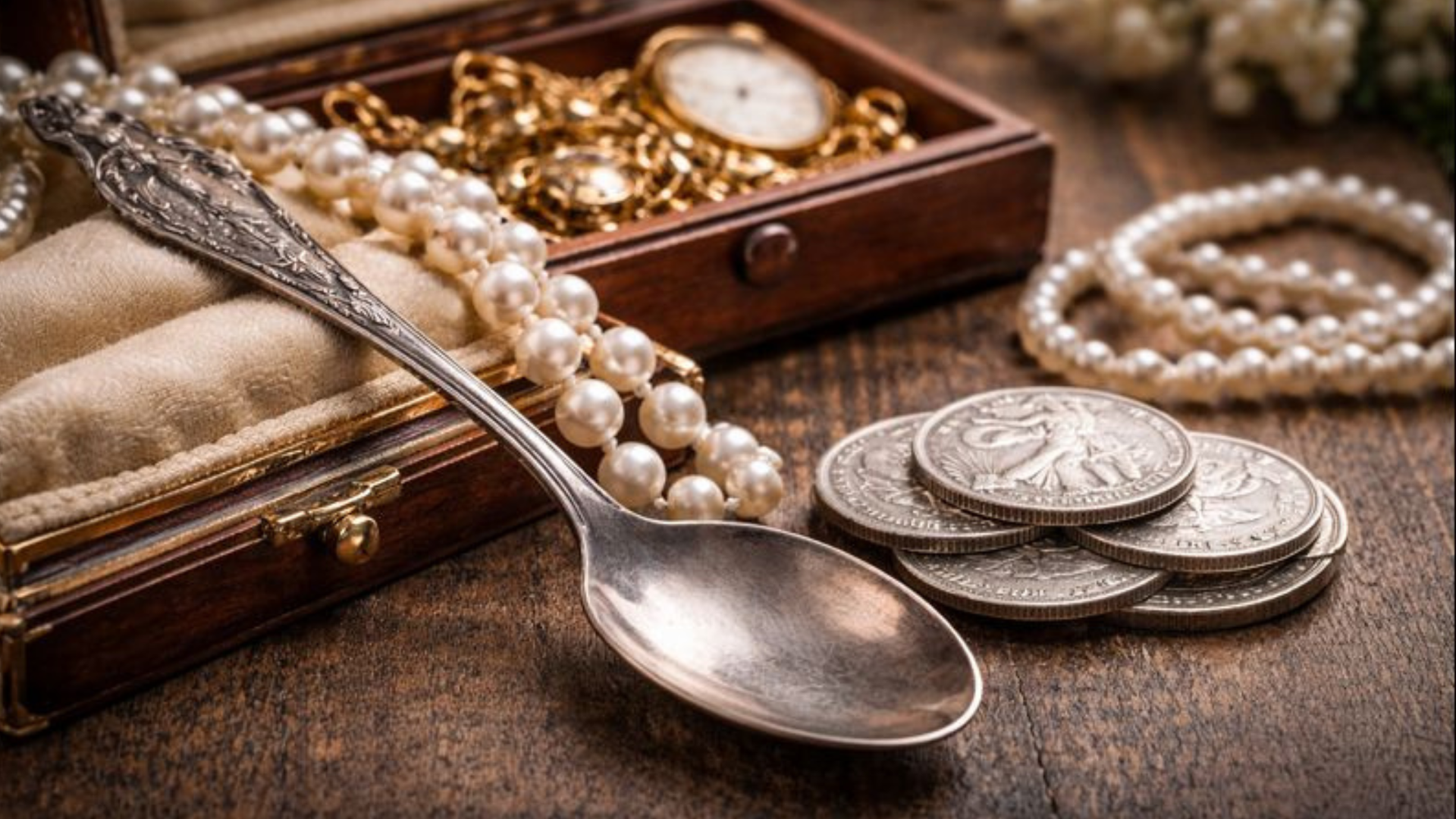
silver spoon and other finery
By Baily Bates January 15, 2026
Learn about the true origin of the saying “born with a silver spoon,” from social class symbols to birth traditions and why silver still holds value today.
Suitcase overflowing with gold, jewels;
January 8, 2026
Check out our newest blog post