For most of American history, money wasn’t paper — it was metal you could hold in your hand.
Gold and silver coins once formed the backbone of the U.S. monetary system. Understanding how these metals became currency — and why the United States eventually stopped using them — helps explain why older coins can still be worth far more than their face value today.
At The Great American Roadshow, in partnership with Elite Coins & Premier Jewelers, we evaluate gold and silver coins at buying events across the country, and many people are surprised to learn that everyday pocket change once contained real precious metal.
Why Gold and Silver Were Used as U.S. Currency
When the U.S. Mint was established in 1792, gold and silver were chosen for one important reason:
They held intrinsic value.
Unlike modern paper currency, gold and silver:
- Were scarce and difficult to counterfeit
- Were recognized and accepted worldwide
- Maintained purchasing power over time
- Could be trusted as real, tangible assets
This system was known as the bimetallic standard, meaning both gold and silver backed the nation’s money supply.
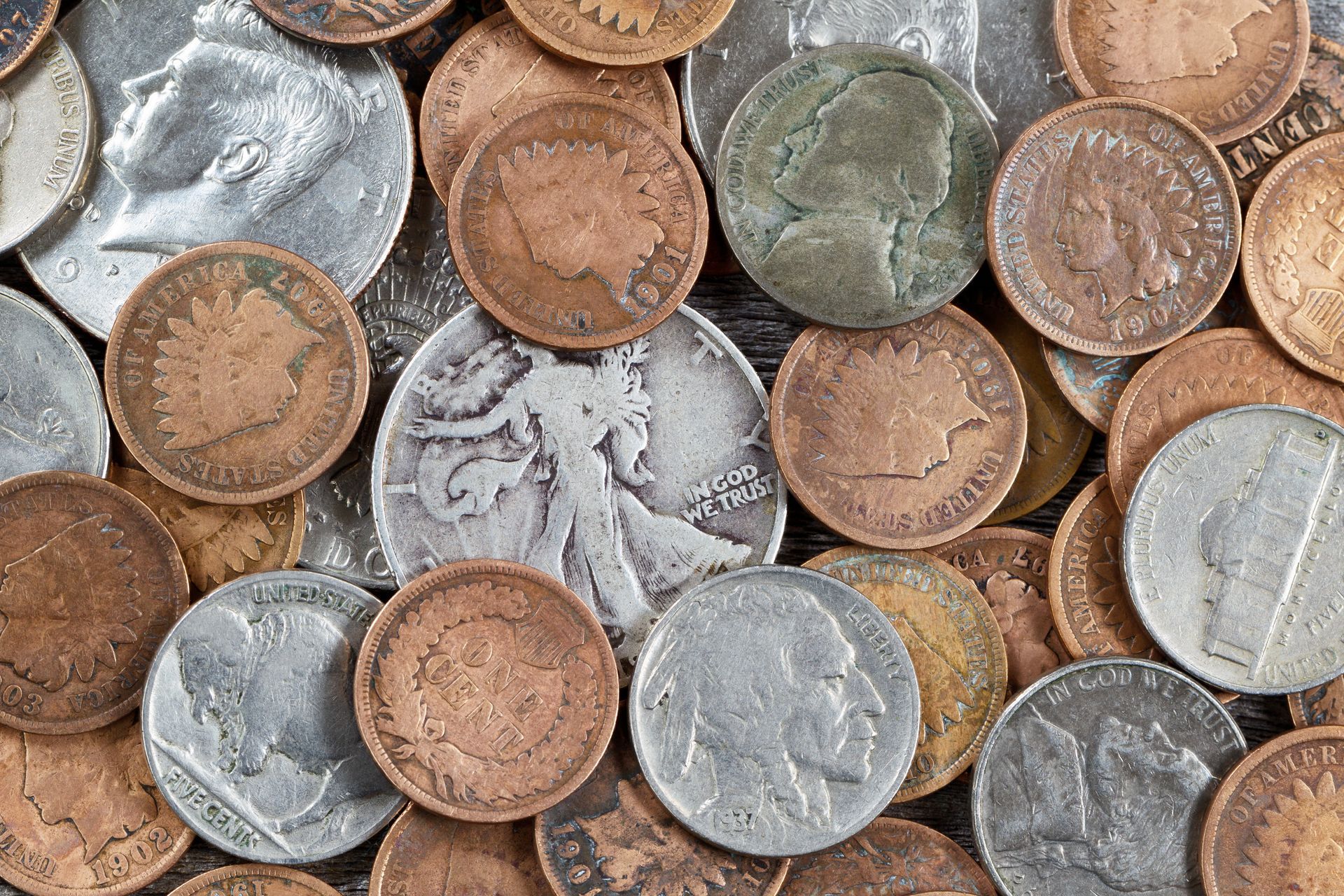
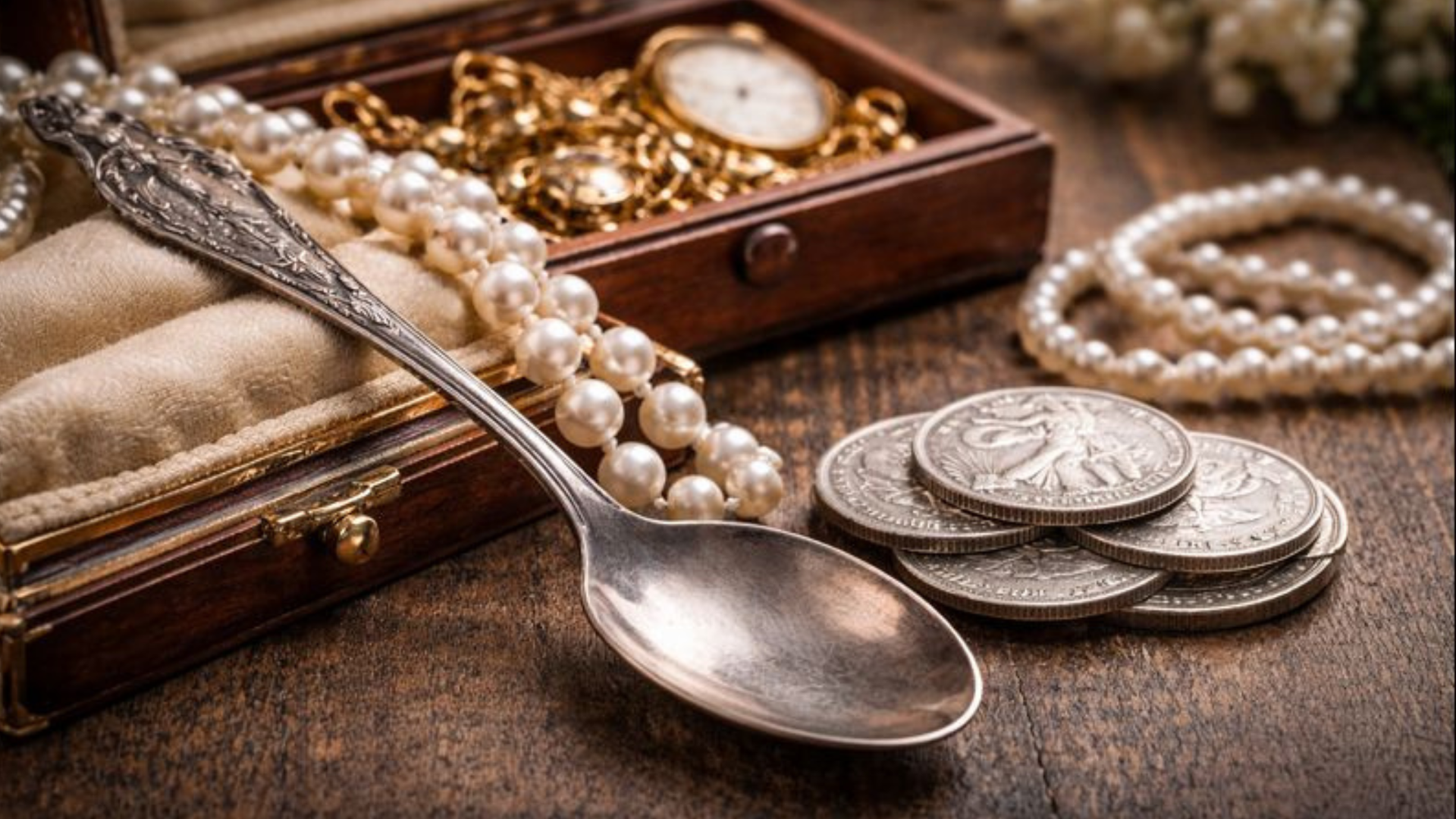
While gold was used for larger denominations, silver became the metal of everyday transactions. For decades, Americans carried real silver in their pockets in the form of:
- Dimes
- Quarters
- Half dollars
- Silver dollars
Why U.S. Coins Were Made with 90% Silver
Most U.S. coins minted before 1965 were composed of 90% silver and 10% copper.
The copper wasn’t added to reduce value — it was added for durability. Pure silver is soft, and without reinforcement, coins would wear down too quickly in circulation.
Common 90% silver coins include:
- Mercury dimes
- Roosevelt dimes (pre-1965)
- Washington quarters (pre-1965)
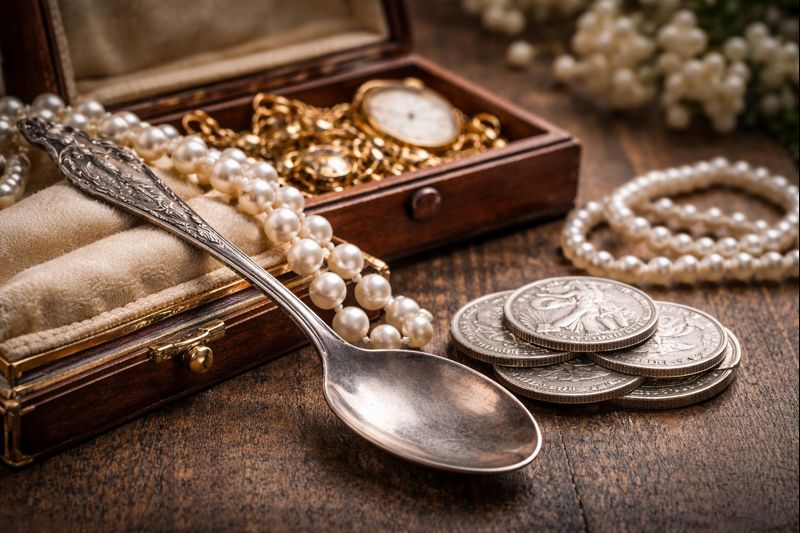
- Walking Liberty half dollars
- Franklin half dollars
- 1964 Kennedy half dollars
These coins were used daily — at grocery stores, banks, and gas stations — making them surprisingly common finds in old collections and inherited estates.
Why the U.S. Stopped Using Silver in Circulating Coins
By the early 1960s, silver prices began rising rapidly.
This created a major issue:
The metal inside the coins became worth more than the face value printed on them.
As a result, people began:
- Hoarding silver coins
- Melting them for profit
- Pulling them out of circulation
This led to a nationwide coin shortage.
In response, Congress passed the Coinage Act of 1965, which:
- Removed silver entirely from dimes and quarters
- Reduced silver content in half dollars
- Introduced copper-nickel “clad” coins
From that point forward, every day U.S. pocket change no longer contained real silver.
Why Some Jefferson Nickels Contain 35% Silver
Not all silver coins were made with 90% silver.
During World War II (1942–1945), nickel was needed for military equipment production. To conserve materials, the U.S. Mint produced special “war nickels” composed of:
- 35% silver
- 56% copper
- 9% manganese
These coins can be identified by a large mint mark above Monticello on the reverse. Even though they contain less silver than dimes or quarters, they still carry intrinsic precious metal value.
Why Older Silver Coins Are Valuable Today
Many families still have silver coins stored in:
- Inherited collections
- Estate boxes
- Old piggy banks
- Forgotten drawers
Because these coins contain real silver, they are often worth significantly more than their original face value.
Their value depends on:
- Silver content
- Rarity
- Condition
- Collector demand
- Current precious metal prices
Even common 90% silver coins can sell for many times their original denomination.
How to Tell If You Have Silver Coins
One of the easiest ways to identify silver coins is by checking the date:
- Dimes and quarters dated 1964 or earlier are 90% silver
- Half dollars dated 1964 are 90% silver
- Half dollars from 1965–1970 contain 40% silver
- Jefferson nickels from 1942–1945 contain 35% silver
If you’re unsure what you have, a professional evaluation can quickly determine whether your coins contain valuable precious metals.
Thinking About Selling Silver Coins? Here’s What to Know
Many people search online for how to sell silver coins, but the most important step is getting an honest, in-person evaluation.
At The Great American Roadshow coin buying events, our experts assess:
- Silver coins
- Gold coins
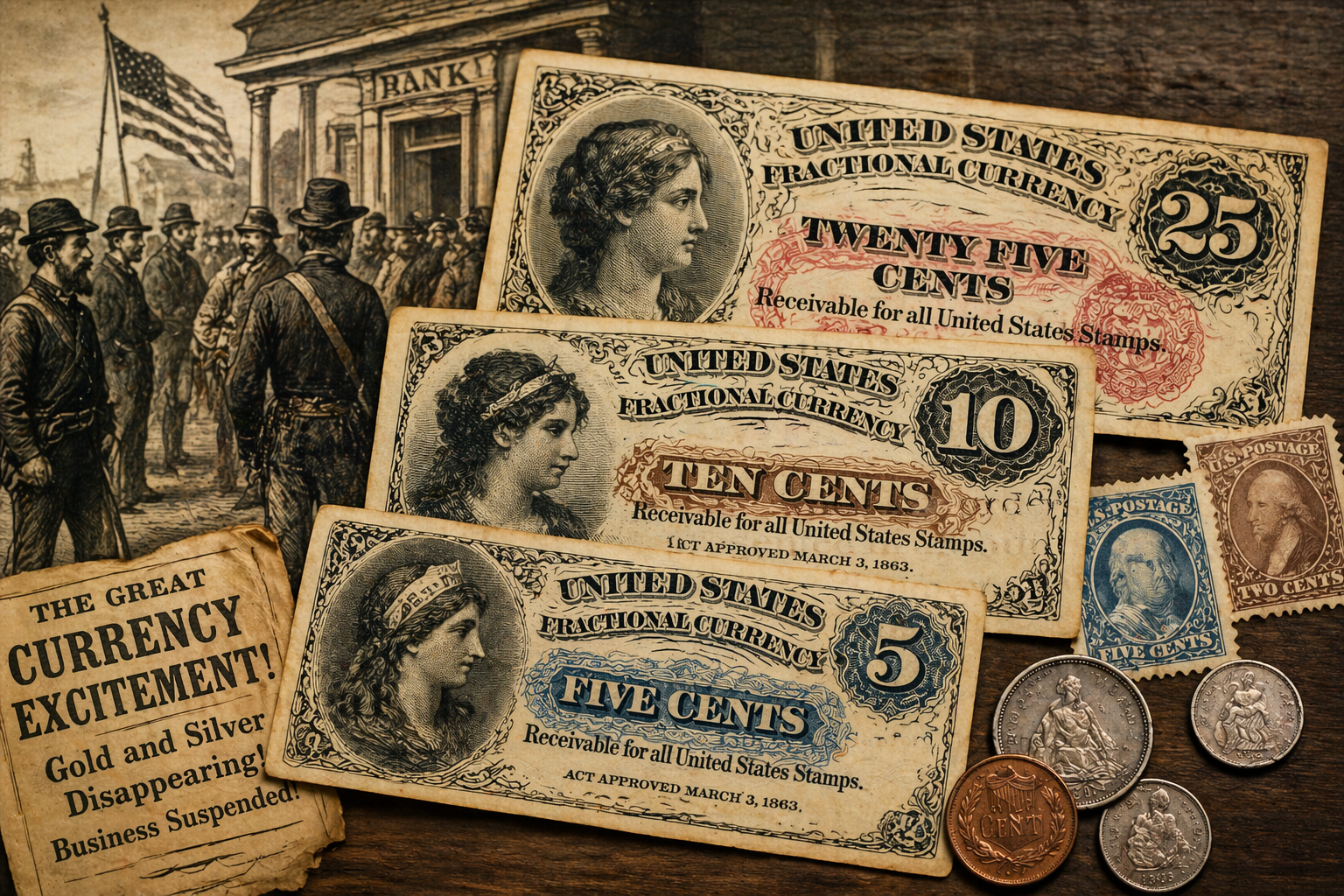
- Rare currency
- Estate collections
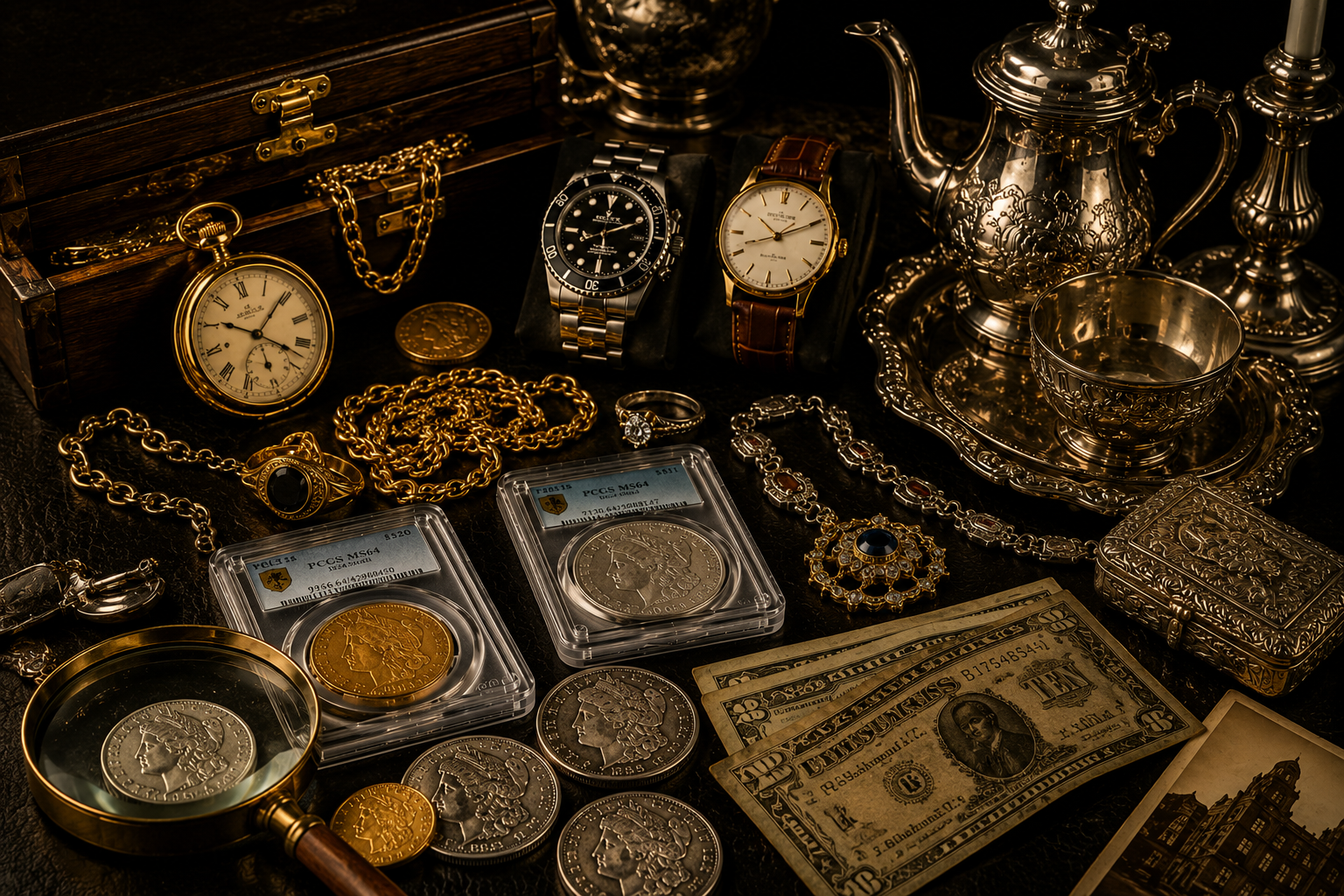
- Jewelry and precious metals
- Antique valuables
We provide clear explanations, transparent pricing, and immediate offers — with no obligation.
You may be holding historic coins that are worth far more than you realize.
Gold and Silver Coins: More Than Just Collectibles
These coins represent:
- A time when U.S. money held intrinsic value
- A tangible connection to American financial history
- Precious metal assets that still carry real worth
Every week at Roadshow events, families discover that coins passed down for generations contain significant silver or gold value.
Have Gold or Silver Coins? Get a Free Evaluation
You’ve inherited coins or found old currency tucked away; now is the time to find out what it’s worth.
📞 Call The Great American Roadshow at 1-800-456-3234 or check out our Upcoming Events Page to find an upcoming buying event near you.
Bring what you have — no appointment needed — and let our experts explain exactly what you own and what it’s worth.
Because sometimes the change sitting in a drawer is worth far more than you think. Visit our blog for the latest news and trends.