Have You Inherited a Coin Collection? Here's What You Should Do First!
Understanding the Value of an Inherited Coin Collection
Did you recently inherit a coin collection and are not sure what to do next? When a loved one passes away, inheriting their belongings can bring both sentimental value and important financial decisions. One item that often leaves families wondering what to do next is a coin collection. Whether it’s a small box of old coins, a collection stored in albums, or a safe full of rare currency, understanding the value of inherited coins requires careful consideration.
Many people make the mistake of rushing to sell a collection without first understanding what they have. Others store inherited coins away for years without realizing they may possess items worth hundreds or even thousands of dollars.
If you’ve recently inherited a coin collection, here are the most important steps to take before making any decisions.
Start by Preserving the Collection
The first thing you should do if you inherited a coin collection is avoid handling the coins unnecessarily. While it may be tempting to sort through everything immediately, improper handling can reduce a coin’s value.
Always hold coins by the edges and avoid touching the faces. Oils and residue from your fingers can cause damage over time. If coins are stored in albums, sleeves, or protective holders, leave them where they are until they can be properly evaluated.
One of the biggest mistakes new owners make is cleaning coins. Even if a coin appears dirty or tarnished, cleaning it can significantly reduce its collectible value. In many cases, professional collectors prefer coins in their original condition.
Create a Basic Inventory
Before seeking an appraisal or valuation, take time to create a simple inventory of the collection.
Record information such as:
- Coin denomination
- Year and mint mark
- Quantity of each coin
- Precious metal content if known
- Any accompanying documentation or certificates
Photographs can also be helpful, especially for larger collections. An inventory gives you a better understanding of what you’ve inherited and makes the evaluation process more efficient.
Separate Bullion from Collectible Coins
Not all coins derive their value from the same factors.
Some coins are valuable because of their precious metal content, while others are worth more because of rarity, historical significance, condition, or collector demand.
For example:
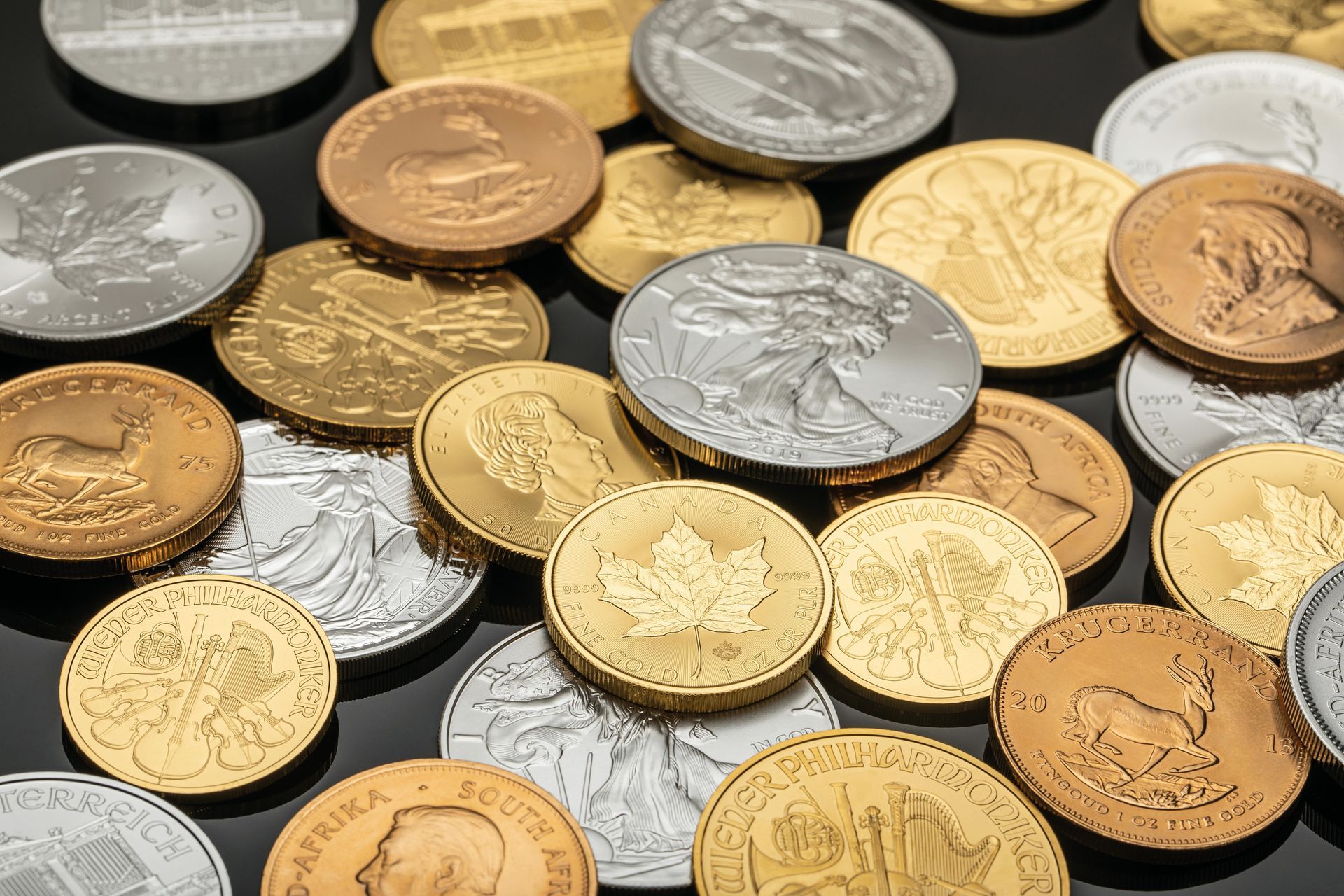
- Gold coins may be worth significantly more than their face value because of the gold content.
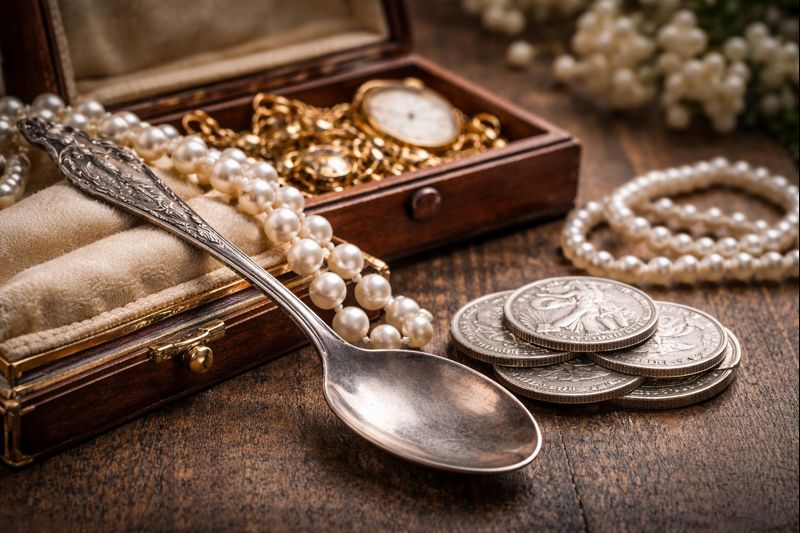
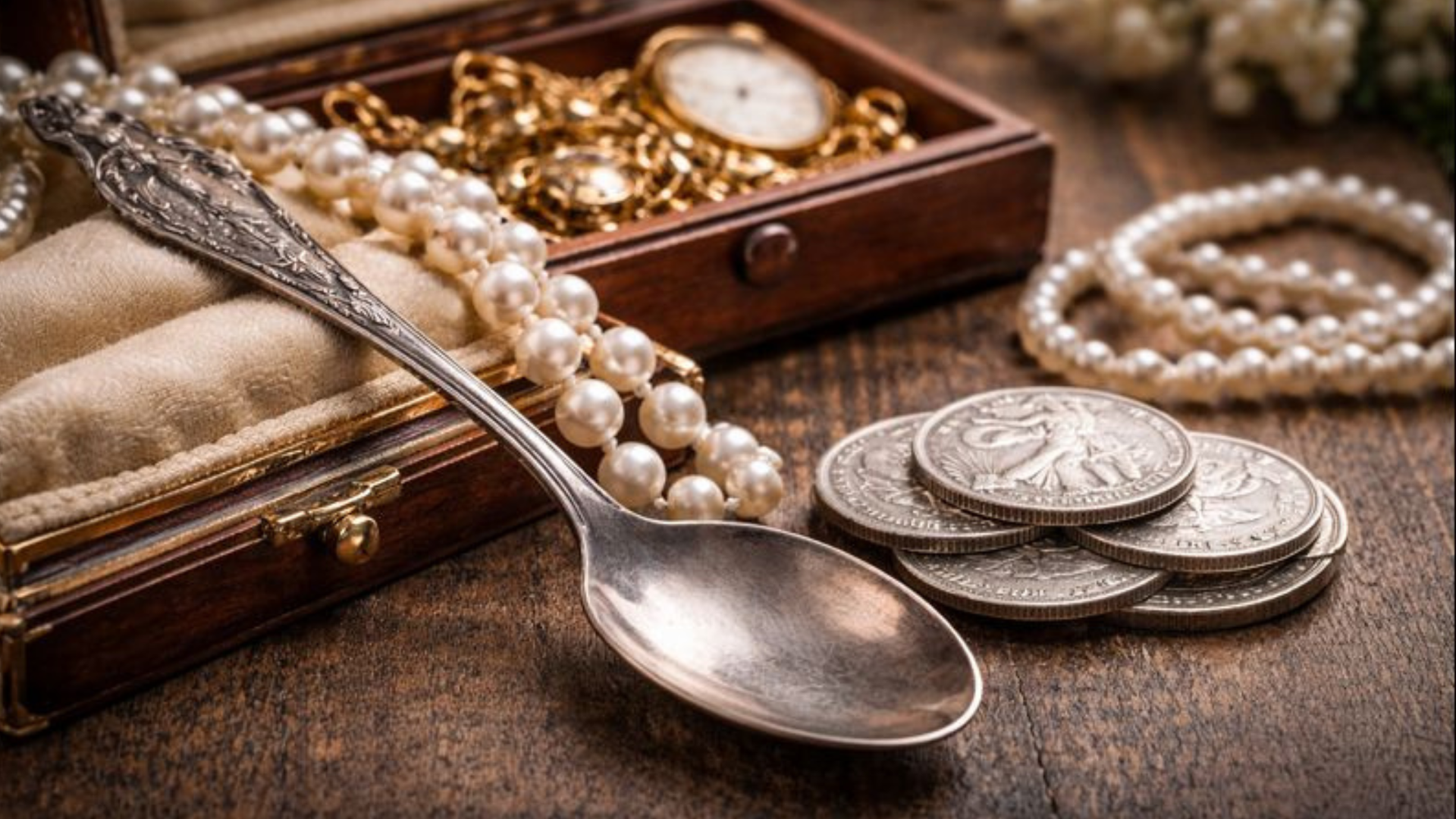
- Silver dollars often carry both silver and collectible value.
- Rare dates and mint marks can command substantial premiums.
- Proof sets and commemorative coins may appeal to specific collectors.
Understanding the difference between bullion value and numismatic value is an important step when evaluating an inherited collection. If you'd like to speak with an expert, contact our team today for more information about your inherited coin collection.
Look for Documentation and Provenance
Many collectors keep records of purchases, receipts, grading certificates, or historical notes regarding their collections.
These documents can provide valuable insight into:
- Original purchase prices
- Previous appraisals
- Authentication records
- Grading information
- Historical significance
If the collection includes coins that have been professionally graded by recognized grading services, those certifications can help establish value and authenticity.

Don’t discard old folders, notebooks, or paperwork that may accompany the collection. They could provide important information about the coins.
Avoid Accepting the First Offer
If you decide to sell an inherited coin collection, it’s important to understand its value before accepting an offer.
Many collections contain a mixture of common and rare coins. A quick glance may not reveal the true worth of certain pieces. Taking the time to have the collection reviewed by experienced buyers can help ensure you receive a fair evaluation.
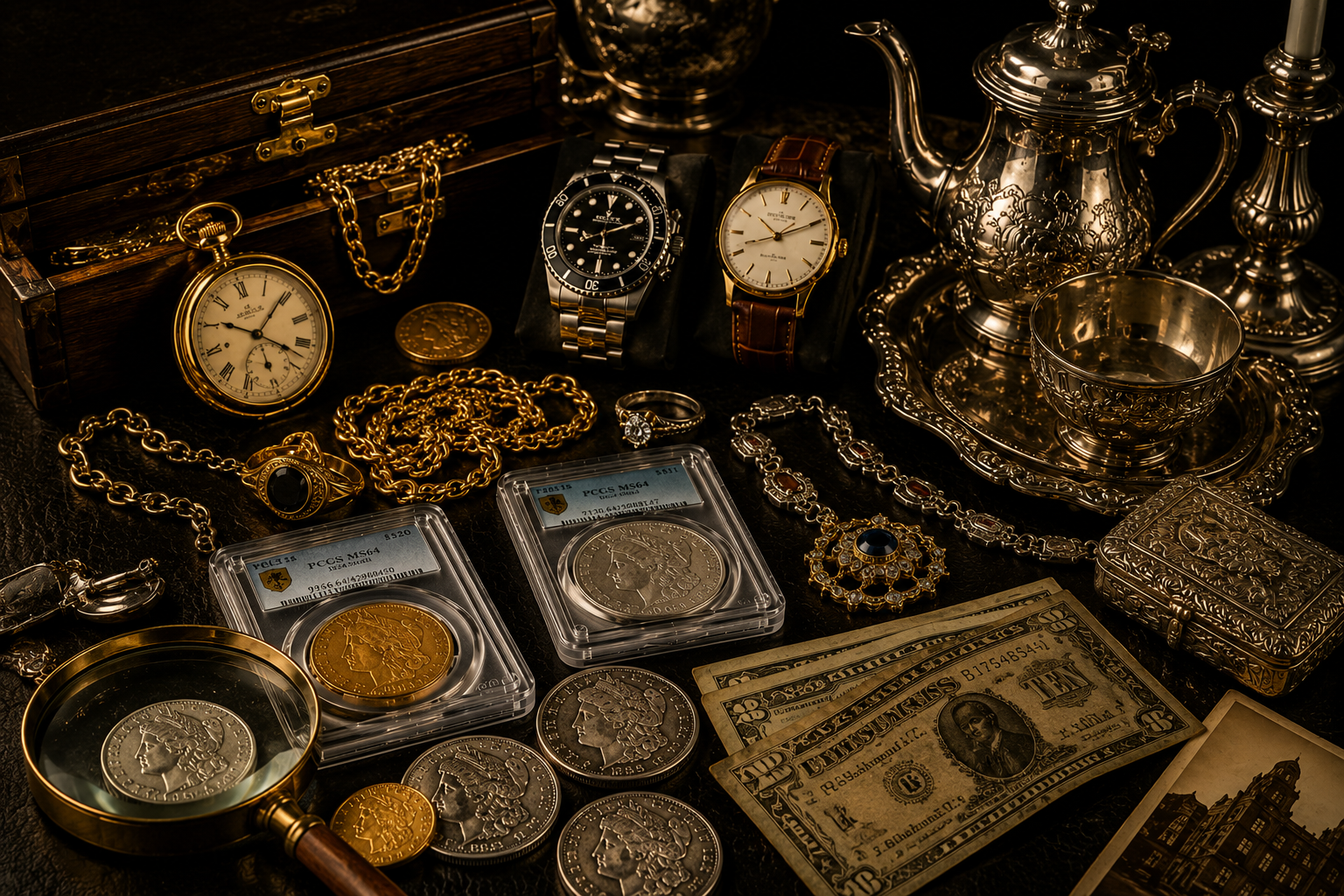
Professional buyers who specialize in coins, currency, precious metals, and collectibles often have the expertise needed to identify valuable items that may otherwise be overlooked.
Understand Current Market Conditions
The value of coins can fluctuate based on several factors, including:
- Gold and silver prices
- Collector demand
- Coin rarity
- Historical significance
- Overall economic conditions
A coin that was worth a certain amount years ago may have increased or decreased in value depending on current market trends.
Working with experienced coin buyers who stay current with the market can help you understand what your collection may be worth today.
Consider an In-Person Evaluation
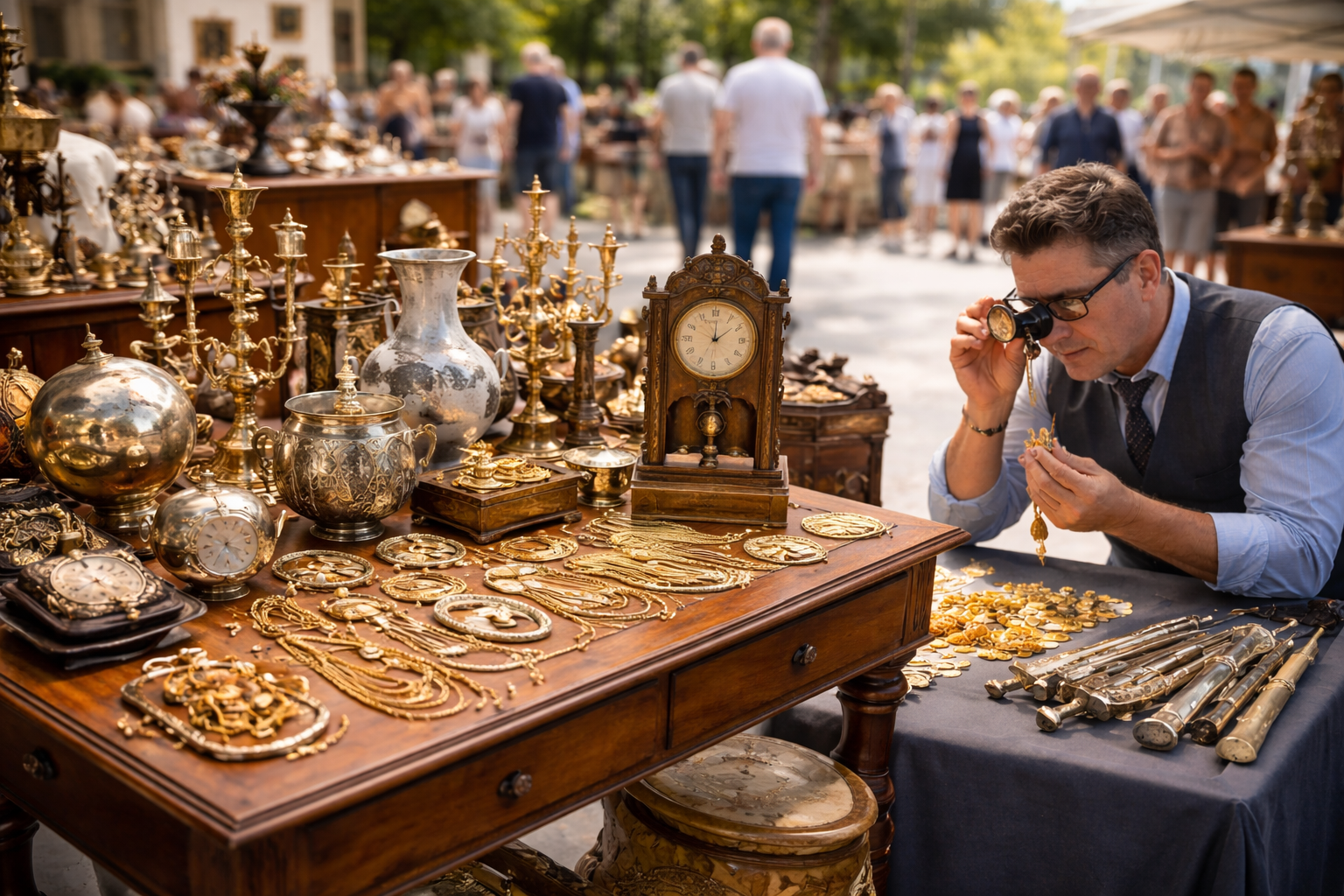
One of the best ways to determine the value of an inherited coin collection is through an in-person evaluation.
Experienced buyers can inspect:
- Condition and grading potential
- Precious metal content
- Rare dates and mint marks
- Authenticity
- Overall market demand
This process often provides more accurate information than online searches or price guides, which may not reflect actual market conditions.
At The Great American Roadshow, our team evaluates coin collections, gold coins, silver coins, paper currency, and other collectibles during our nationwide events. We help families better understand the value of inherited collections and provide fair market offers for items they choose to sell.
Why Professional Evaluation Matters
Many inherited collections contain hidden treasures that are easy to overlook.
What appears to be an ordinary box of coins could include:
- Rare Morgan Silver Dollars
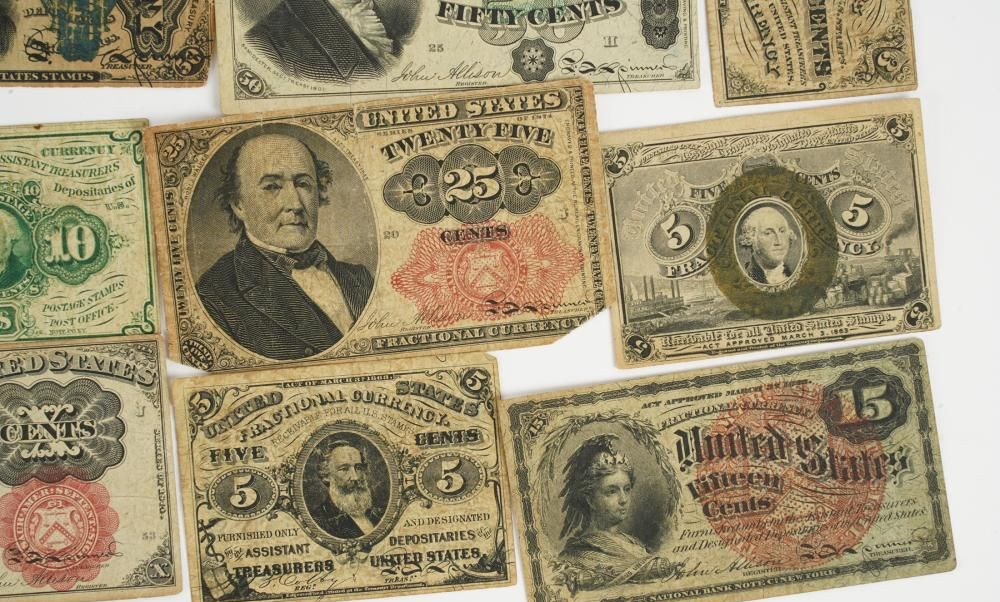
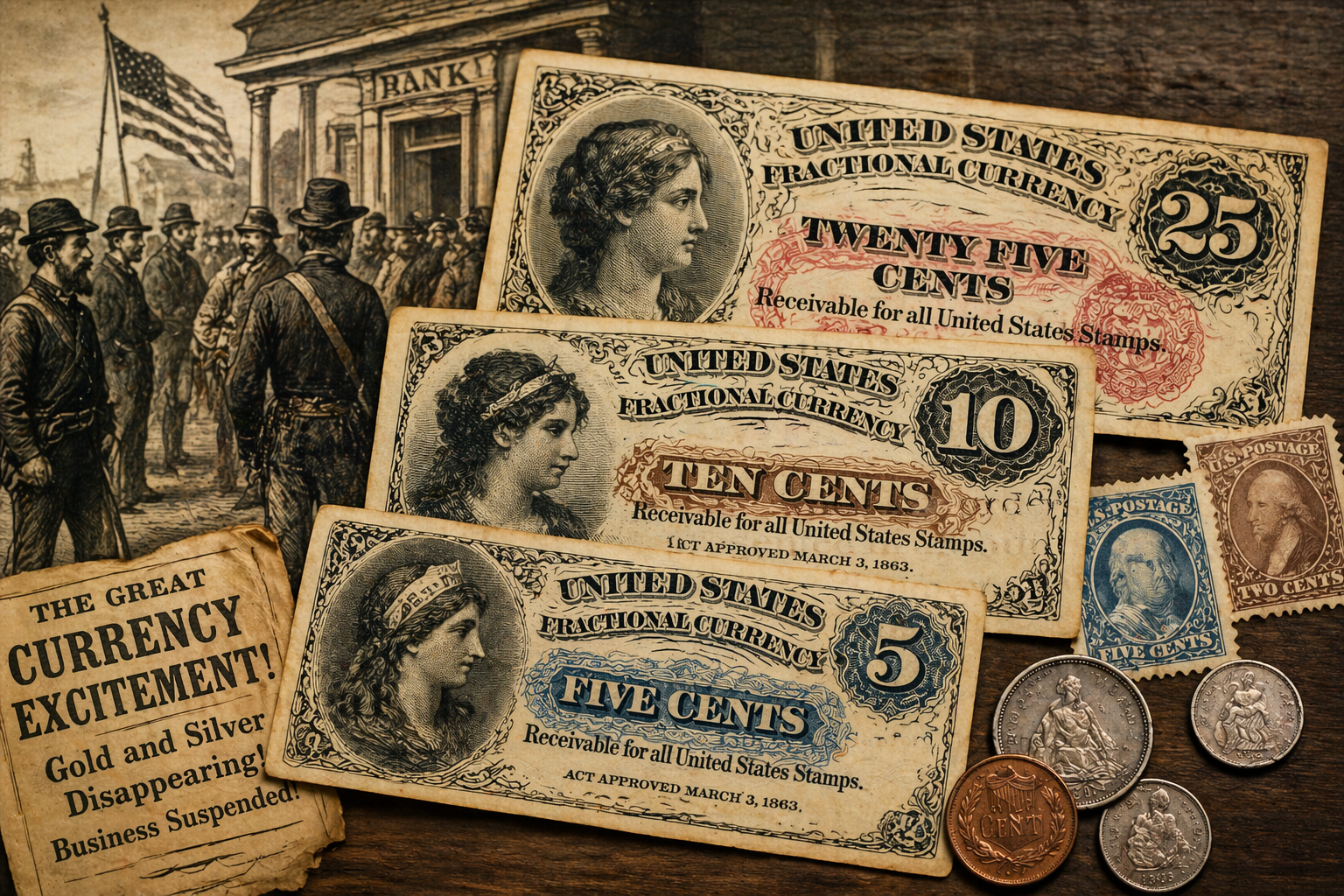
- Historic U.S. currency
- Gold coins
- Key-date collectibles
- Foreign coins with significant value
Professional evaluation helps identify these opportunities while providing peace of mind during the decision-making process.
Whether you choose to keep the collection, pass it down to future generations, or sell it, understanding its true value is the first step.
Let The Great American Roadshow Help
If you’ve inherited a coin collection and aren’t sure where to start, The Great American Roadshow can help.
Our experienced buyers evaluate coins, currency, precious metals, and collectibles at events across the country. We provide professional assessments and help families understand the potential value of inherited coin collections.
Visit The Great American Roadshow or call 800-456-3234 to learn about upcoming events near you and schedule an evaluation.
Frequently Asked Questions
How do I know if my inherited coins are valuable?
Several factors determine value, including rarity, condition, precious metal content, demand, and historical significance. A professional evaluation is often the most accurate way to determine worth.
Should I clean inherited coins before having them evaluated?
No. Cleaning coins can reduce their value and may damage collectible surfaces. Leave coins in their original condition whenever possible.
What types of inherited coins are often worth the most?
Gold coins, rare-date coins, key mint-mark varieties, high-grade collectible coins, and historically significant pieces often carry the highest values.
Can old silver coins be worth more than face value?
Yes. Many older U.S. silver coins contain precious metal value that can far exceed their face value, especially when silver prices are strong.
Where can I get an inherited coin collection evaluated?
The Great American Roadshow offers professional evaluations of coin collections, paper currency, gold, silver, and other collectibles during events nationwide.
Recent Posts